A wilder life with no barriers
Published 20:03 on 20 Aug 2026
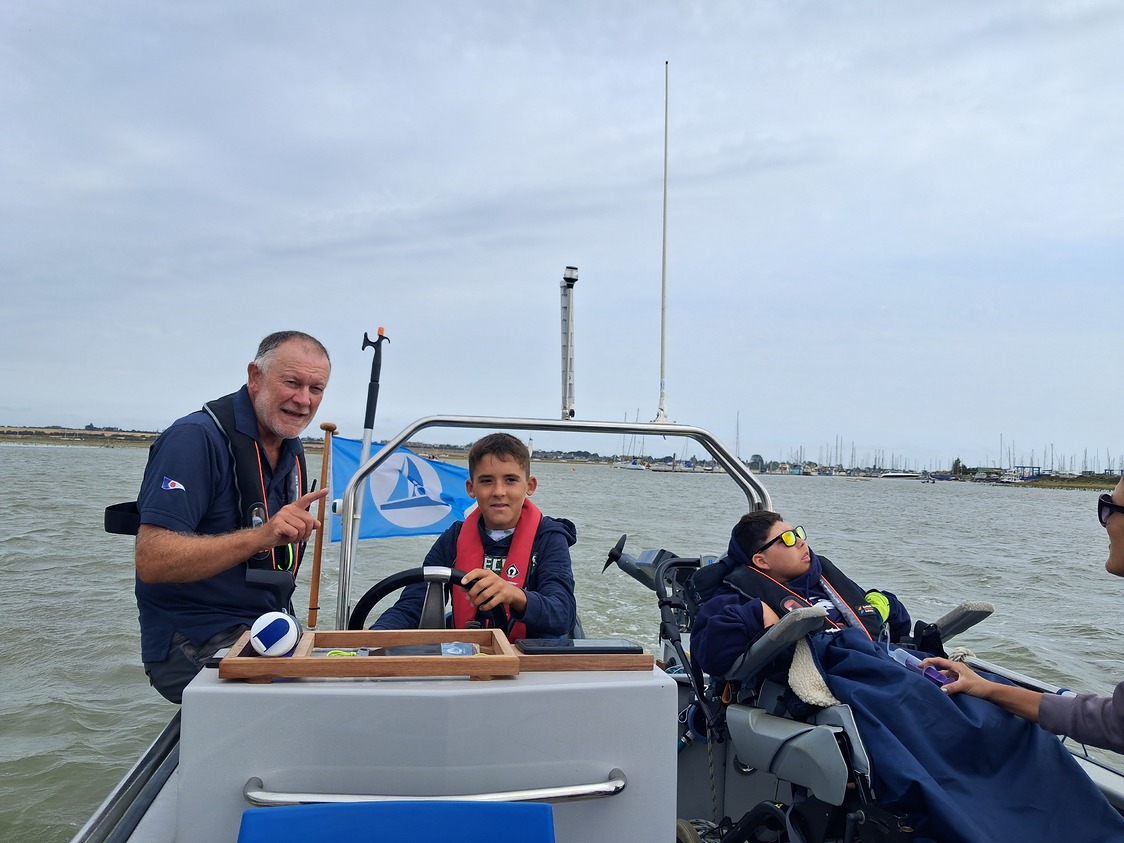
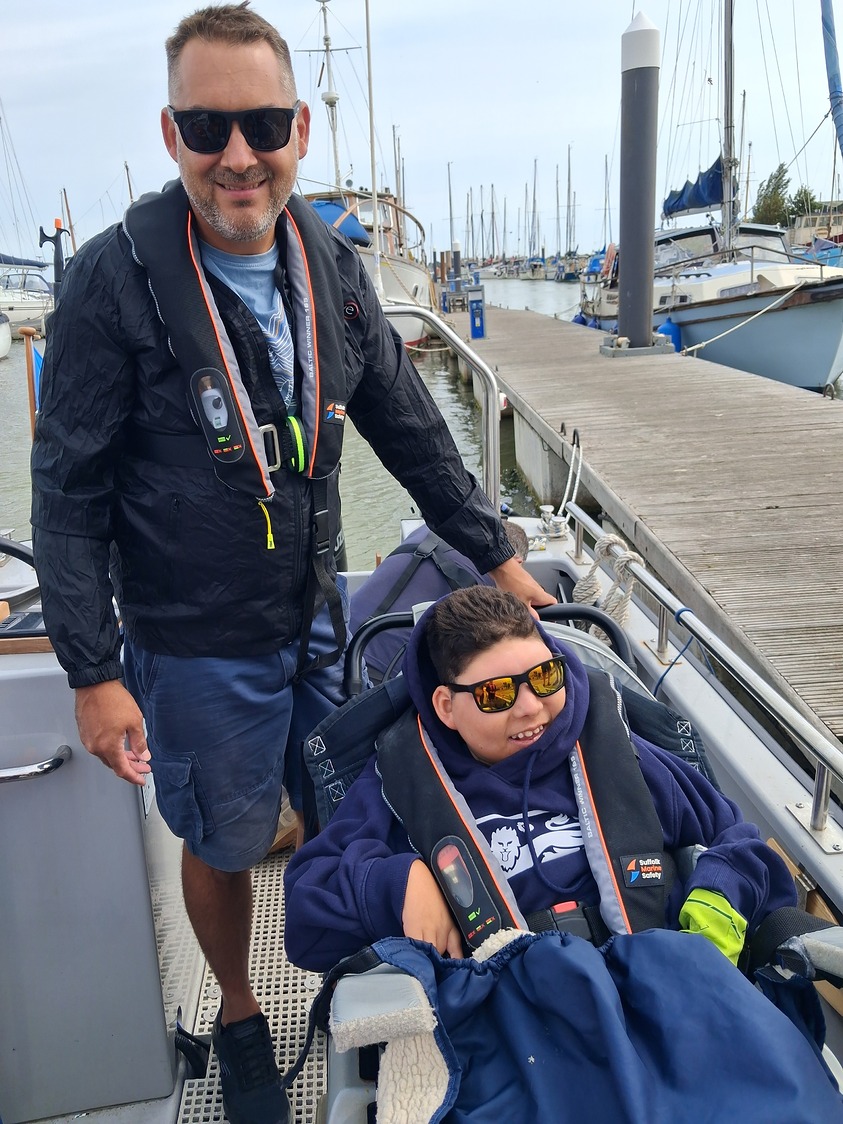
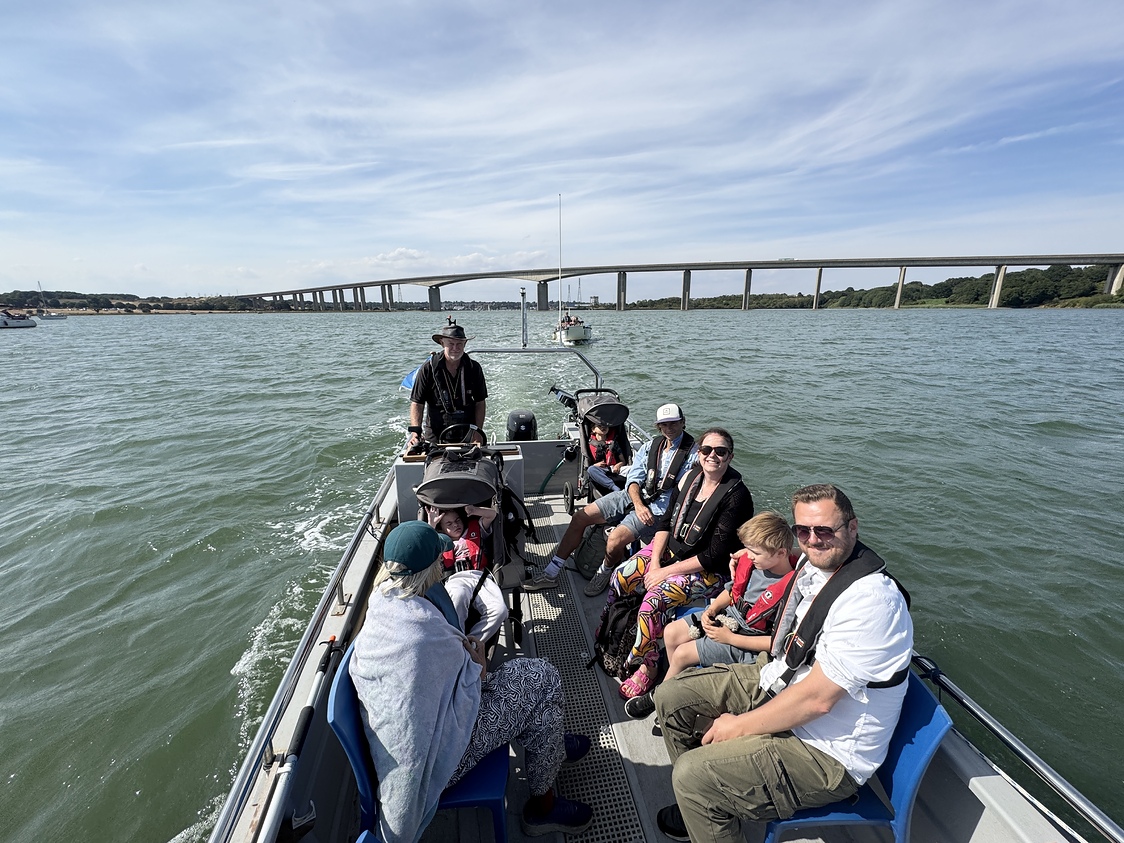
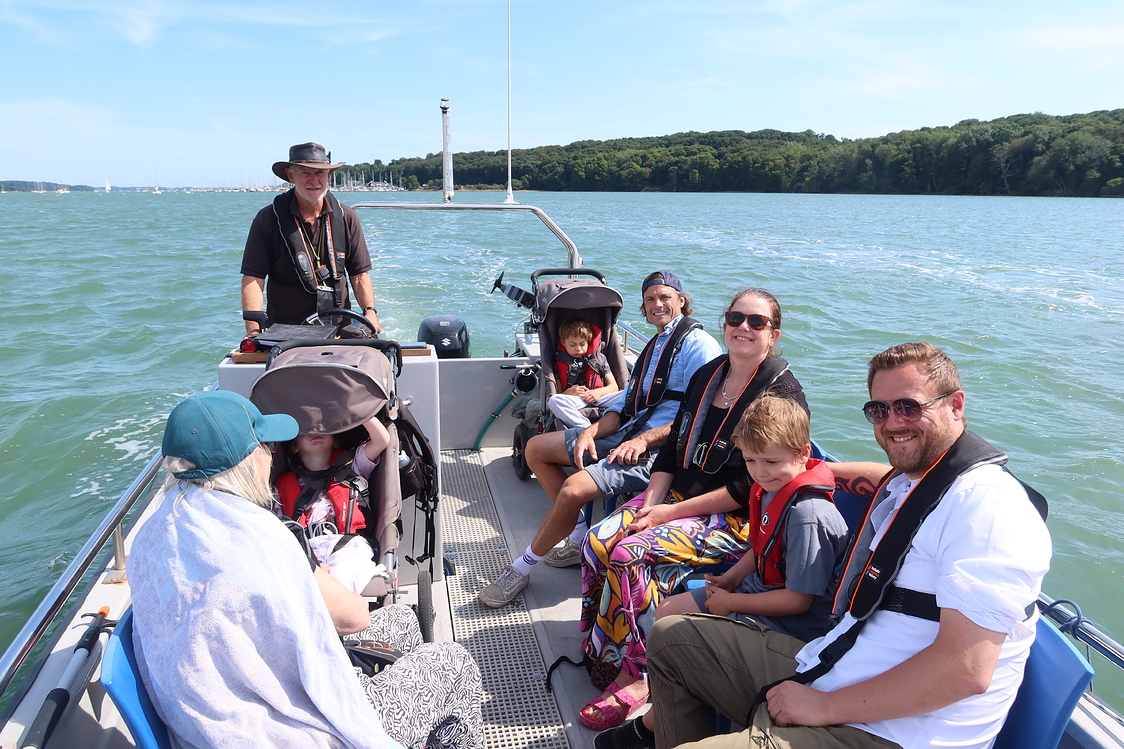
In a unique collaboration, the Woolverstone Project and Colchester Natural History Society have put on a series of wildlife trips on the River Orwell for families at local special schools who we work with. Using our Wheelyboats, we run regular trips on the river, but these weekend trips (funded by the Nineveh Trust) were targeted at families so that they could all go out together on the water. This enabled them to see the wealth of natural life on the river in a way that many of them will not have been able to access before.
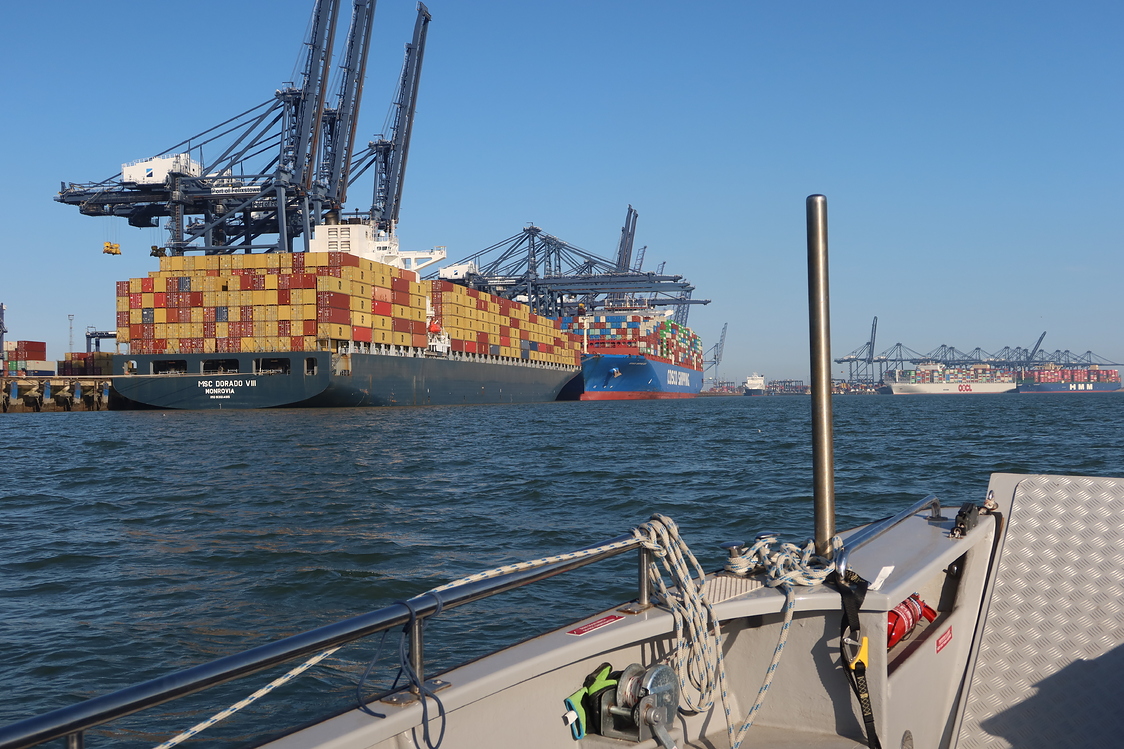
Even before leaving the jetty we had seen turnstones, cormorants and little egrets and, much to the delight of the children moon jellyfish. Once on the river though, we were privileged to see a family of peregrine falcons who nest on the Orwell Bridge and even watched them as they hunted around Ipswich Docks. The peregrine falcon is the fastest animal on earth, reaching speeds of up to 200mph when they hunt certainly well and truly outpacing the traffic on the nearby Orwell Bridge and too fast even for them to be caught on a speed camera!
The local seals proved elusive on the River Orwell, but being surrounded by geese, oystercatchers and all the other local birds made up for this and the wildlife experts from Colchester Natural History Society were a fount of knowledge, enlivening the trips for everyone on board.
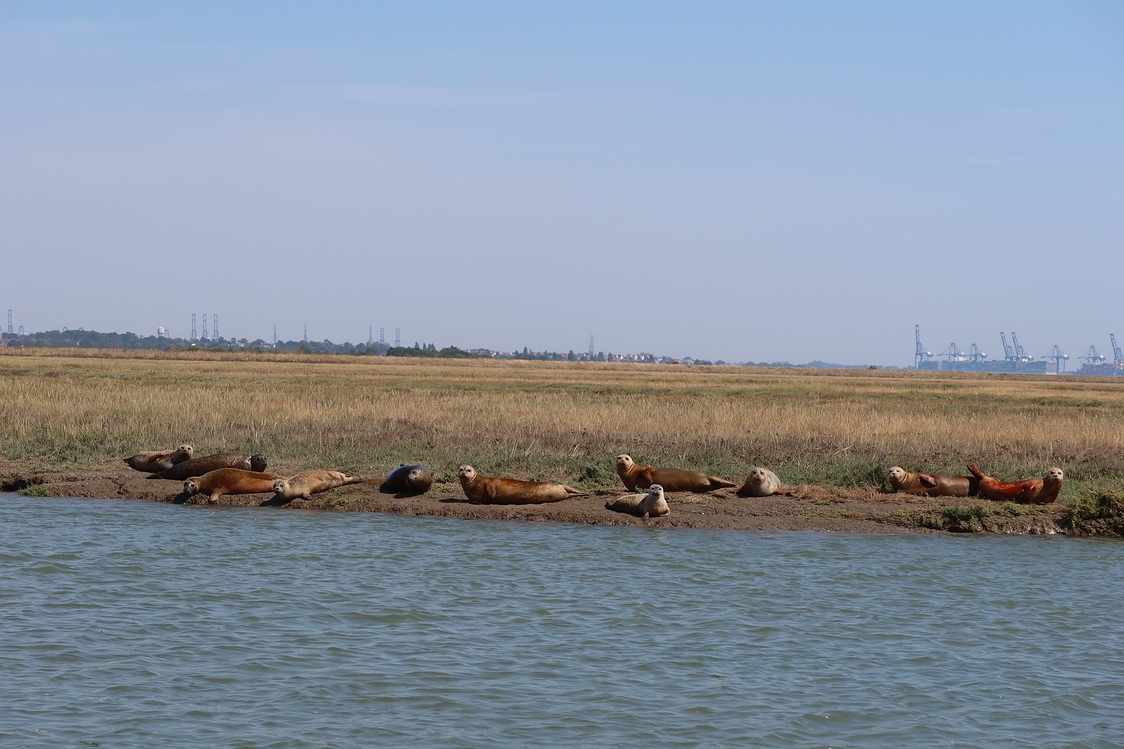
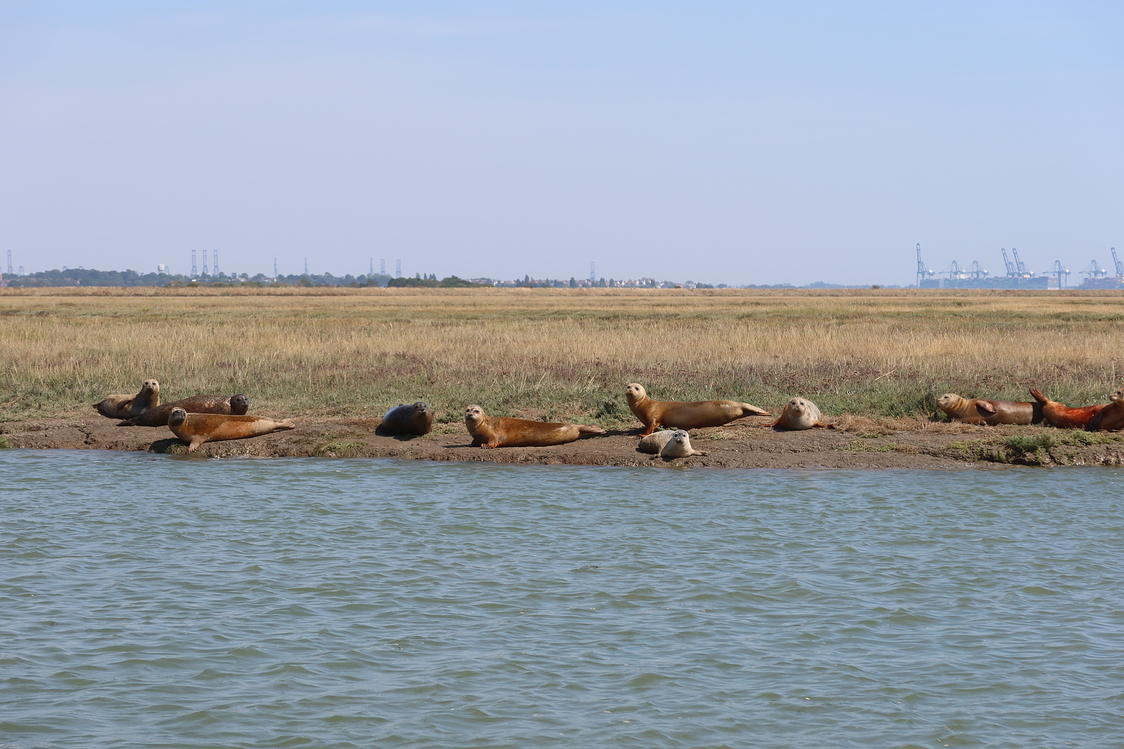
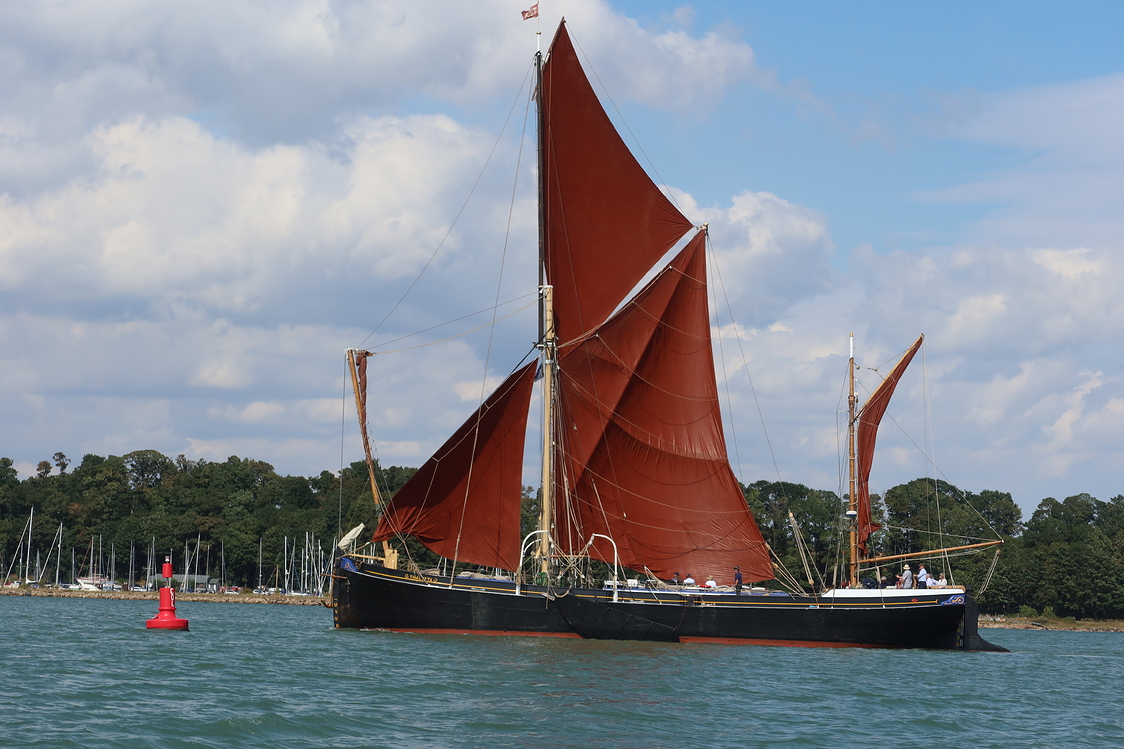
Following on from the Orwell trips, we took our new Wheelyboat (appropriately named Turnstone) across to the Walton Backwaters and spent three days doing wildlife trips there. This enabled us to head round to Oakley Creek and visit the local seal colony. This seal colony are famous for having a distinct rusty-red or copper-coloured coat. This vibrant orange-red hue happens when the wild harbour and grey seals haul out and rest on local mudflats rich in iron oxides - derived from geological formations like the local Red Crag. This is a distinct 3-to-4-meter-thick geological layer of rust-orange, iron-stained shelly sand. It dates back roughly 2.5 to 3 million years to the Late Pliocene/Early Pleistocene epoch and caps the older blue-grey Eocene London Clay which the area is well known for.
The birds we saw on these trips were:
- Mute Swan
- Canada Goose
- Greylag Goose
- Shelduck
- Cormorant
- Little Egret
- Heron
- Great Black-backed Gull
- Lesser Black-backed Gull
- Herring Gull
- Black-headed Gull
- Turnstone
- Oystercatcher
- Redshank
- Black-tailed Godwit
- Curlew
- Common Sandpiper (DU)
- Peregrine
- Red Kite
- Buzzard
- Carrion Crow
- Jackdaw
- Rook
- Magpie
- Wood Pigeon
- Swallow
- Pied Wagtail
- Starling
What a fantastic wealth of wildlife we have on our local rivers.
Last updated 19:23 on 1 October 2026